OVERVIEW
By drawing from Harry Potter and real life chemical reactions, the project combined aspects of both areas to create an alchemy simulator with real world chemical reactions that have a magical effect. Users mix ingredients into a cauldron in order to create potions and unlock new recipes with the overall goal of freeing a fairy from her cage. The goal of the project was to develop a VR game that had a new and unique form of interaction. This unique interaction is allowing the user to interact with a jar in the real world that translates into the VR game. The jar has an Oculus controller attached to it, tracking the users movements as they pick up and pour different ingredients.
TEAM MEMBERS & ROLES
Kalli Melilli: 3D Modeling, Texturing, Audio
Ryan Garrett: VFX, Programming
Spencer Henry: Texturing, UI, Programming
Justin Gast: Programming, Lead
DEVELOPMENT ENGINE & TOOLS
Unity
Maya
Oculus Quest 2
Substance Painter
3D Printed Controller Attachment
User Flow

Wireframe

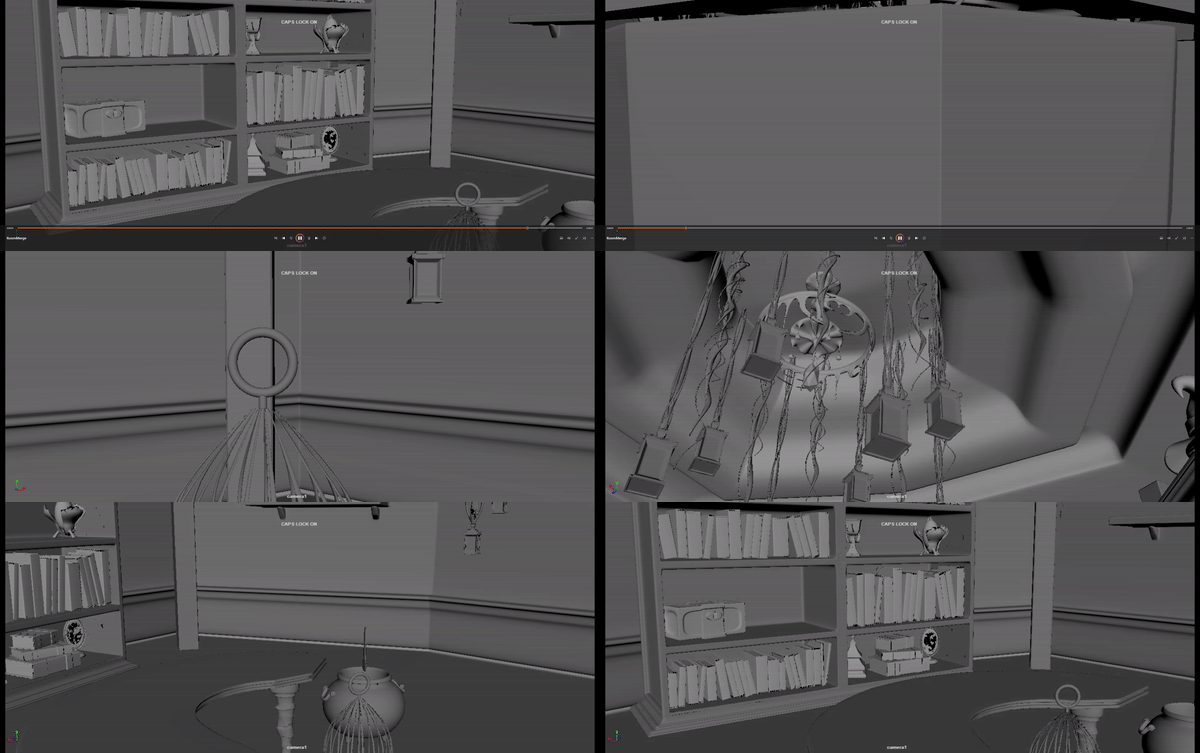
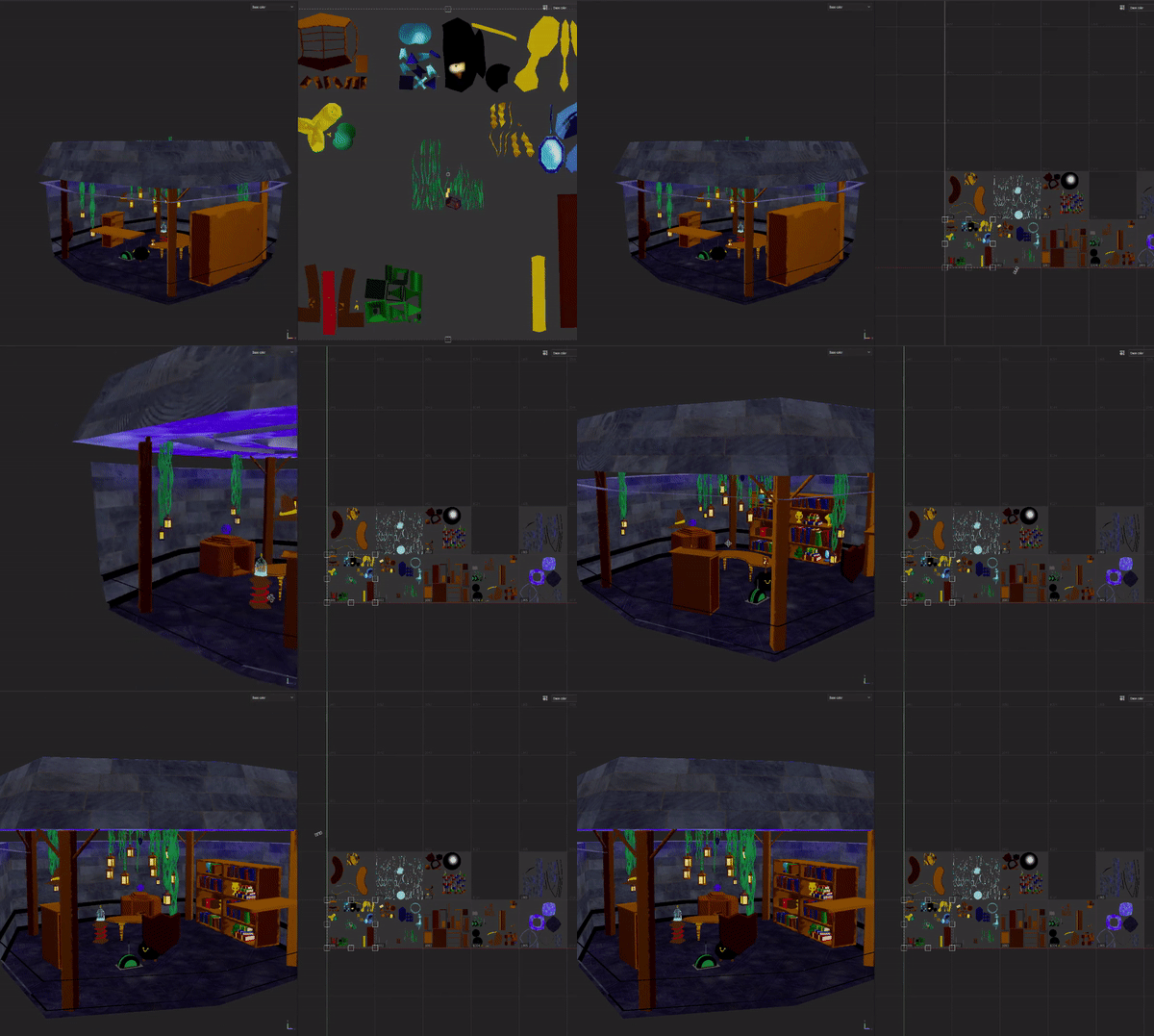
Environment
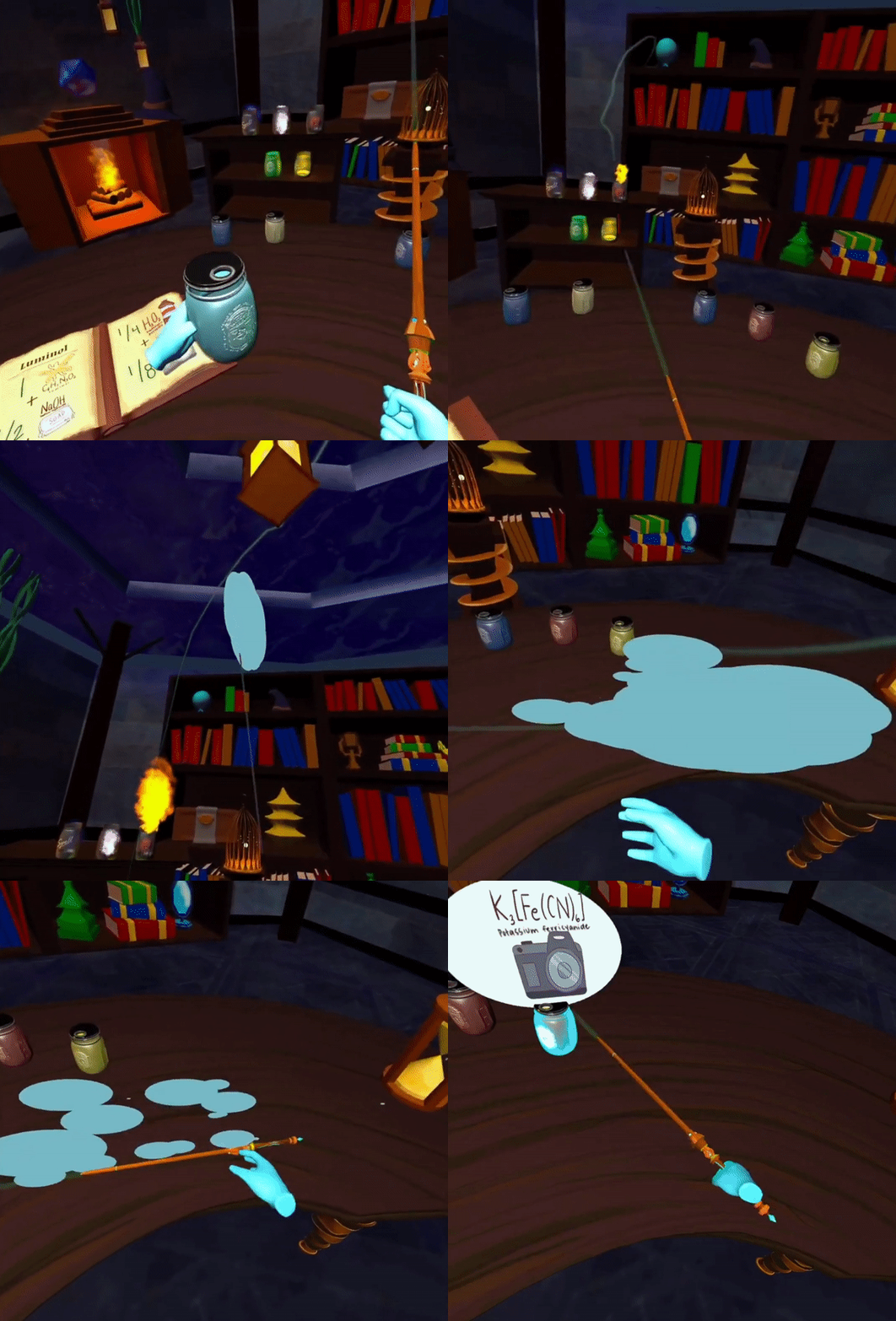
The environment was designed to have the user set inside of a wizard’s hut. The user is placed in front of a table with the instruction book, wand, jars on it, and the cauldron for mixing next to them. Just in front of the table is the fairy in her cage, and next to it a shelf that will hold the completed potions.
The background all around the user consists of magical objects lying around as decorations including bookshelves, jars, lights, trophies, etc. All assets are originals made with Maya and textured using Substance Painter. The lighting, and sound around the user was accomplished inside Unity, and the VFX was done using Unity shader graphs, visual effect graphs, and particle systems.


Interactions
-
User can play either sitting or standing
-
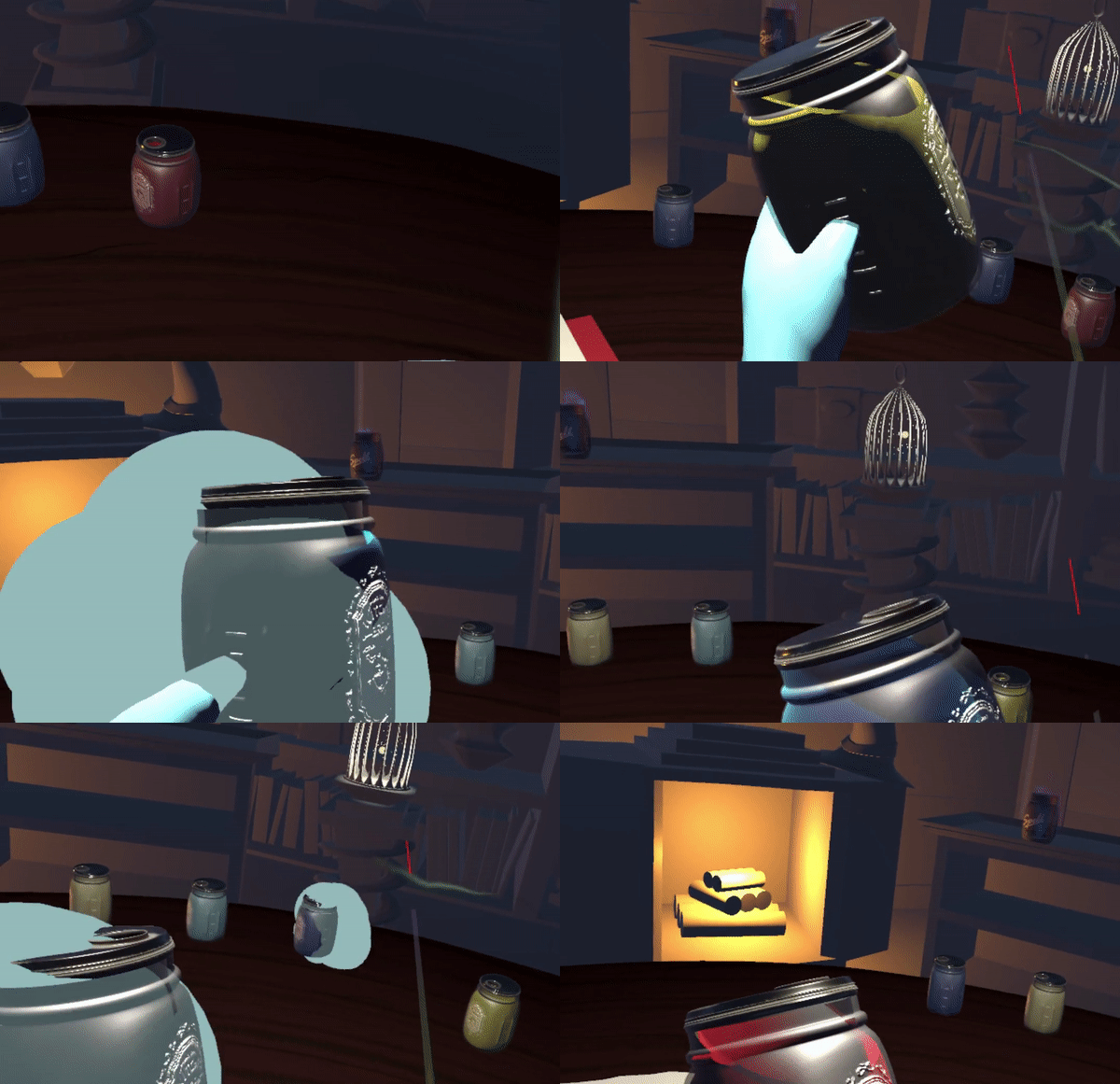
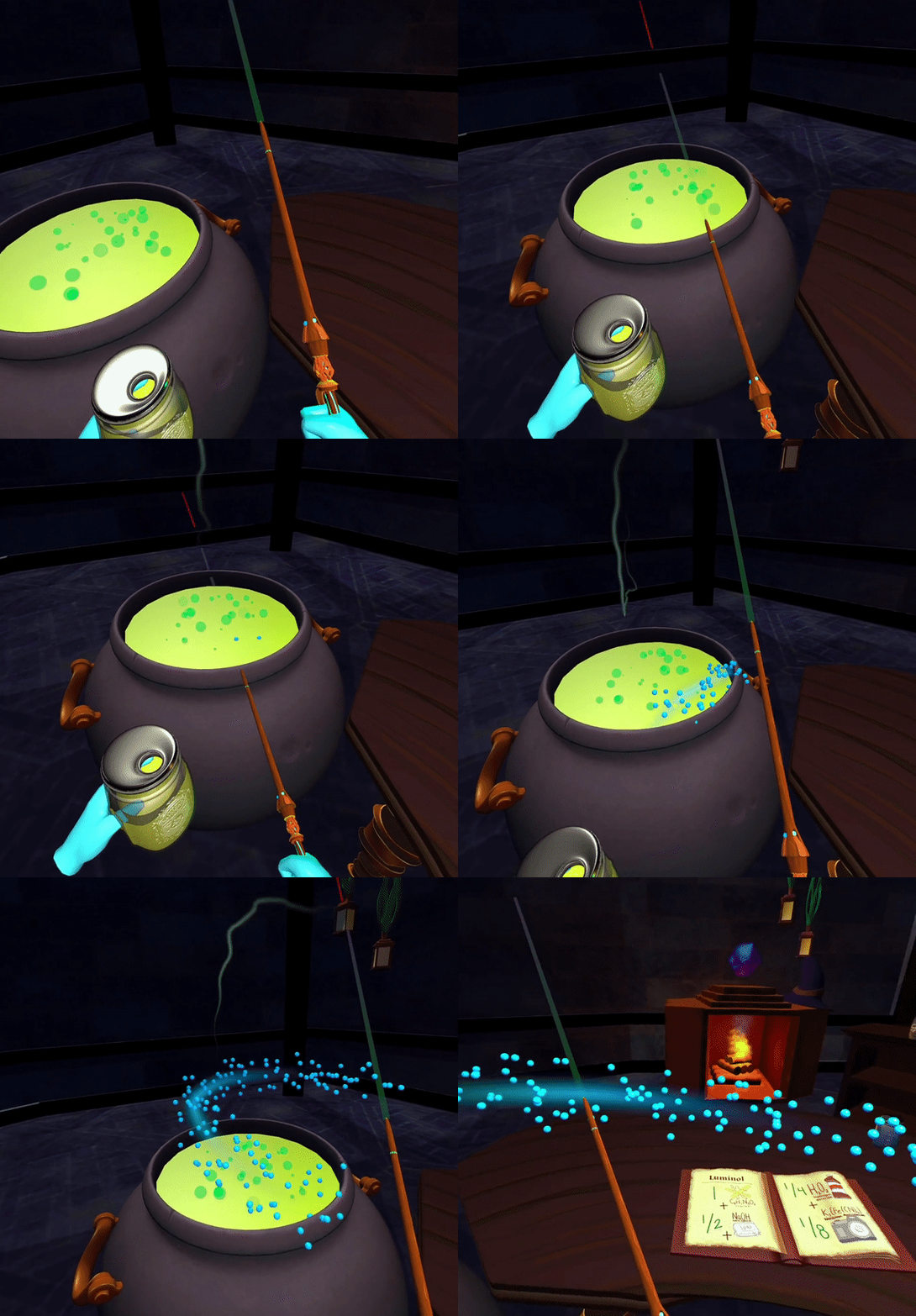
Wand is used for a variety of actions (cauldron activation, jar swapping, etc.)
-
Jars crafted for intuitive “pour and play” experience

User Testing
We were able to conduct user testing of the game by having people with and without VR experience play the game, and tell us about their experiences.
The users reported that they found the game enjoyable and immersive. They were able to figure out the interactions needed to complete the game with a little help. They were able to easily gauge the amount of liquids for each reaction, and were able to complete the game without being told what they had to do.
The users also said that holding the jar was strange while adding a sense of embodiment that made the experience more immersive, but the jar did get a little heavy over time.

Reflection
As a team we divided up the work evenly between each other very well, and in a way that allowed each of us to work on the parts of the project we were each most interested in getting more experience with. We each learned and gained experience in multiple areas. Another area that went well was time management, as we were able to meet each of our milestone goals throughout the semester, and finish the project on time. Hurdles we faced throughout the project included coming up with the game and figuring out exactly what chemical reactions to do, programming the liquid shaders to work correctly, various programming challenges, and figuring out the best way to do all the texturing through Substance Painter.